
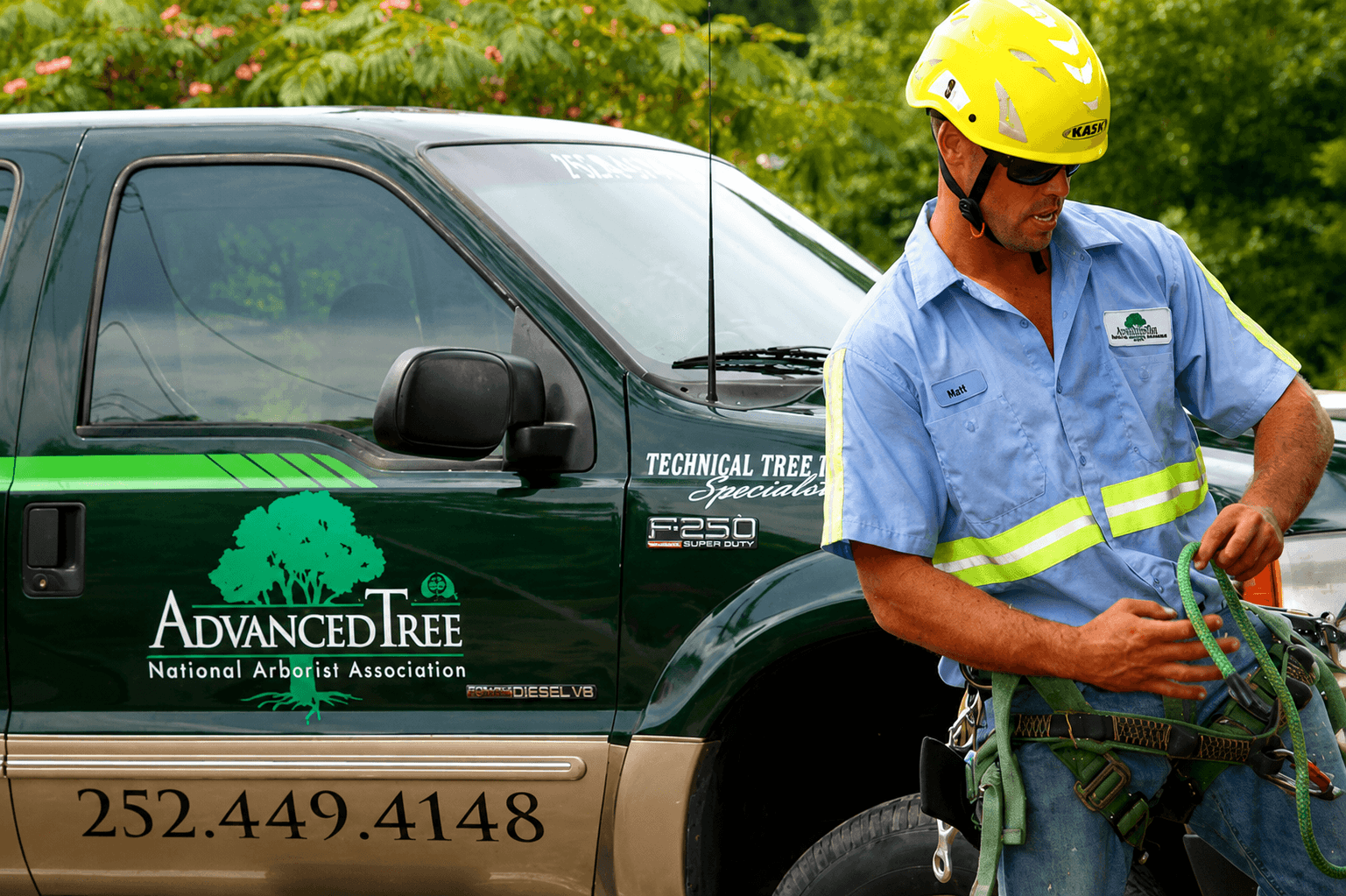
The best storm plan is made before the forecast becomes urgent, with clear priorities for tree condition, targets, access, communication, utilities, documentation, and post-storm safety.
Start before a named storm appears
Storm readiness is not a last-minute request to thin every canopy. Useful preparation begins during ordinary weather, when there is time to assess trees, compare priorities, arrange access, coordinate with utilities or neighbors, and schedule work without emergency pressure. The objective is to address identifiable concerns and improve response readiness, not to promise that trees will be storm-proof.
Create a short list of trees near bedrooms, parking, primary access, overhead conductors, occupied outdoor areas, and neighboring structures. Add trees with recent changes such as cracks, large dead branches, root disturbance, unusual lean, canopy decline, or storm damage. This provides a rational starting point for an arborist rather than treating every tree as equally urgent.
Schedule a pre-season assessment
Ask for an assessment early enough that recommended work can be completed responsibly. The arborist should consider tree condition, likely targets, exposure, site history, recent construction or soil disturbance, and the limitations of a visual inspection. Some concerns may require closer inspection before the work scope is clear.
Priorities should be specific. Examples include removing a dead branch above an entry, inspecting a cracked union, reducing an overextended limb toward a roof, or addressing a tree with documented root loss. Broad requests to hurricane-cut or strip interior branches can damage trees without producing the intended resilience.
Protect access and emergency information
Identify the route that emergency responders, residents, and tree crews would need to use after a storm. Trees near a single driveway or narrow road may deserve different priority because blockage can isolate the property. Record gate codes, parking restrictions, septic areas, soft ground, and equipment access before communications become difficult.
Keep current contact information for the electric utility, insurer, property manager, trusted neighbor, and tree-care provider. Remote owners should designate who can grant access and authorize defined emergency work. Decide in advance what dollar amount or type of work requires direct approval and what documentation is expected.
Document the property before weather arrives
Take clear photographs of the home, roof, vehicles, fences, landscape features, and important trees from several directions. Store insurance, tree-care, survey, and access information where it can be reached if local internet or power is interrupted. Documentation cannot prevent damage, but it can make post-storm communication more accurate.
For managed properties, maintain a current site contact list and a simple priority map. Label buildings, roads, common areas, parking, utilities, and known tree concerns. A crew can respond more efficiently when locations and approval authority are unambiguous.
Do the property preparation that does not require tree work
Secure loose outdoor items, clear drainage paths where appropriate, move vehicles from beneath large trees when possible, and follow local emergency-management guidance. Avoid storing materials or parking heavy equipment over important root zones. Do not climb trees, use ladders with saws, or attempt rushed overhead pruning as winds approach.
If branches are touching or close to electrical conductors, contact the utility and a qualified professional. Property owners and ordinary tree workers should not treat energized lines as a routine clearance problem. Utility ownership, voltage, worker qualification, and required approach distances shape the response.
Know what is truly urgent after the storm
Life safety, electrical hazards, blocked emergency access, trees on occupied structures, unstable suspended material, and active movement are higher priorities than ordinary cleanup. Keep people out of the drop zone. A tree or limb resting on a structure can be under stored tension and may move when cut or when surrounding material shifts.
Do not assume that every leaning tree must be removed or that every standing tree is safe. Wind can expose roots, crack unions, hang branches, alter neighboring support, and create conditions that are difficult to see from the ground. Photograph from a safe distance and let the responder triage the site.
Use a controlled approval and cleanup process
Ask the responding company to identify the immediate objective, work area, access plan, debris handling, stump treatment, and price basis before non-life-safety work begins. In widespread disasters, legitimate crews may be busy, but emergency conditions do not remove the need for a clear business identity, insurance discussion, and scope.
Separate emergency stabilization from later restoration. The first visit may make a structure accessible or remove unstable material. Later work can address pruning, stump grinding, soil impacts, replacement planting, or reassessment of retained trees. This avoids turning every decision into one rushed operation.
Reassess the plan every year
Update contact information, photographs, access notes, and priority trees before each storm season. Revisit the plan after construction, drainage changes, significant pruning, a major storm, or visible tree changes. Trees grow, targets move, occupancy changes, and previous assumptions become outdated.
A practical checklist is short enough to use: assess priority trees, complete justified work, protect access, document the property, confirm contacts, secure loose items, know utility procedures, and establish post-storm approval authority. Preparedness is a repeatable process rather than a one-time project.